Compare Baby Nasal Aspirator manual vs electric types with pros cons safety tips and buying guide for newborn congestion relief
As parents, few things are as distressing as hearing your little one struggle to breathe through a clogged nose. Before we dive into the baby nasal aspirator manual vs electric debate, it is crucial to understand why this happens. Newborns are biologically prone to congestion for two main reasons:
Tiny Anatomy: Babies have incredibly small nasal passages. What might be a minor sniffle for an adult is a major roadblock for an infant. Even a tiny amount of mucus or inflammation can completely block their airway.
Developing Immunity: Your baby’s immune system is still “under construction.” They are highly susceptible to viruses and environmental irritants that cause mucus production as a defense mechanism.
Ignoring a stuffy nose isn’t an option. Babies are obligate nose breathers, meaning they instinctively breathe through their nose and haven’t yet mastered mouth breathing. When that tiny pathway is blocked, it leads to a cascade of issues:
Feeding Difficulties: Babies cannot nurse or take a bottle effectively if they can’t breathe through their nose. This often leads to fussiness and poor weight gain.
Sleep Disruption: Baby stuffy nose relief is essential for sleep. Mucus tends to pool when lying flat, causing coughing and waking your baby (and you) throughout the night.
Ear Infections: Stagnant fluid in the nasal passages can back up into the Eustachian tubes, creating a breeding ground for bacteria and leading to painful ear infections.
Before you even reach for a manual snot sucker for infants or an electric device, you must prep the nose. Think of saline as the primer. Attempting to suction dry or sticky mucus can irritate the delicate lining of your baby’s nose and cause bleeding.
Why Saline is Non-Negotiable:
Hydrates: It adds moisture to dry nasal passages.
Loosens: It thins out thick mucus, making it significantly easier to remove.
Soothes: It helps reduce inflammation naturally.
While most congestion is managed at home with newborn nasal congestion solutions, safety is paramount. We always recommend consulting your doctor if you notice these red flags:
Breathing Trouble: Look for “retractions” (skin sucking in between the ribs or at the neck) or flaring nostrils.
Fever: A temperature over 100.4°F (38°C) in a newborn requires immediate attention.
Dehydration: Fewer than wet diapers in a 24-hour period.
Duration: Congestion that lasts longer than two weeks without improvement.
Navigating the world of baby nose sucker comparison can feel overwhelming when you are just trying to help your little one breathe. Generally, the market is split into three distinct categories, each with its own method for clearing a baby stuffy nose. Understanding the mechanics of each is the first step in deciding which tool belongs in your medicine cabinet.
Most of us are familiar with the classic rubber bulb syringe. It is the hospital-grade nasal suction tool often sent home with newborns.
Mechanism: You squeeze the bulb to push air out, insert the tip, and release the bulb to create a vacuum.
Reality Check: While they are inexpensive and simple, they are notorious for being difficult to clean. Since you cannot see inside the opaque rubber, mold growth is a genuine concern.
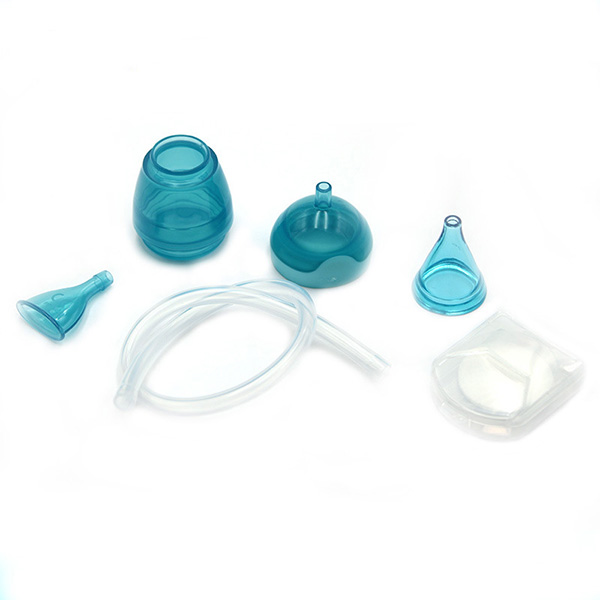
This category, popularized by brands like NoseFrida, revolutionized the manual snot sucker for infants.
Design: A tube is placed against the baby’s nostril, connected to a mouthpiece that you put in your own mouth.
How it works: You provide the suction power with your lungs.
Hygiene: Don’t worry about ingesting mucus; these devices come with disposable filters to block bacteria and fluids. It offers high control but requires you to overcome the “ick factor.”
For parents who want a hands-off approach, the electric nose aspirator is the modern solution.
Types: You will find battery-operated handhelds and rechargeable baby nose cleaner units.
Function: With the push of a button, a motor generates continuous, steady suction.
Advantage: There is no lung power required, making it a consistent option for safe mucus removal for babies.
Ultimately, the battle of baby nasal aspirator manual vs electric comes down to a trade-off between control and convenience. Manual aspirators allow you to modulate the strength of suction instantly based on how the baby reacts. In contrast, electric alternatives offer a steady, tireless performance that is often faster but less nuanced. We are moving past the simple bulb syringe to focus on this modern showdown: the precision of parent-powered suction versus the ease of motorized technology.
When weighing the baby nasal aspirator manual vs electric debate, the manual version often wins on simplicity and control. These devices, often called parent-powered nasal aspirators, rely entirely on your lung capacity to clear the blockage. The setup is straightforward: you place a soft tip against your baby’s nostril, put a mouthpiece in your own mouth, and inhale to create suction. A hygiene filter sits in the middle to ensure no mucus ever reaches your mouth.
The defining feature of a manual snot sucker for infants is that you are the motor. You have complete control over the strength and duration of the suction. If you feel resistance, you can ease off or pull harder as needed. This tactile feedback allows for a level of precision that motorized versions simply cannot match.
Silence: There is no loud motor noise, making this the best option for babies who are terrified of buzzing sounds.
Portability: As a portable baby snot remover, it fits easily into any diaper bag without the need for batteries, cords, or charging blocks.
Affordability: These are significantly cheaper upfront compared to electric models.
Efficiency: Many parents find that human lung power can generate stronger initial suction than weaker battery-operated units.
Despite the benefits, there is a learning curve. You need two hands to operate it effectively—one to hold the device and one to stabilize your baby’s head. There is also the psychological “ick factor” of being connected to the snot, even with a filter in place. Furthermore, if your baby has a severe cold requiring frequent clearing, you might experience lung fatigue.
Newborns: The ability to start with very gentle suction makes it safer for delicate nasal passages.
Travel: Perfect for on-the-go relief when you don’t have access to power.
Mild Congestion: excellent for quick, quiet cleanups.
When the manual method feels too labor-intensive or simply isn’t cutting it, the electric nose aspirator is the next logical step. These devices replace parent lung power with a small, battery-operated motor that generates continuous, steady airflow. It is essentially a scaled-down version of hospital-grade nasal suction, designed to be safe for home use while delivering reliable results without the physical effort.
Moving to a motorized solution changes the dynamic of clearing a stuffy nose. Here is the breakdown of why parents choose—or avoid—these high-tech helpers:
Consistent Power: Unlike manual suction, which depends on your breath, a motor provides steady, unfluctuating suction power. This is crucial for removing stubborn, sticky mucus efficiently.
One-Handed Operation: Most rechargeable baby nose cleaner models are designed to be held in one hand, leaving your other hand free to comfort or gently restrain your child.
Hygiene Factor: There is zero risk of inhaling germs yourself. For squeamish parents, this eliminates the “ick factor” entirely.
The Noise Factor: Even a quiet electric nose aspirator emits a hum or vibration. While some babies find the white noise soothing, it can startle others.
Cost and Maintenance: These are significantly more expensive than manual options and require battery replacements or regular charging.
I recommend an electric model for severe congestion where a bulb syringe just isn’t strong enough. It is also the superior choice for squirmy toddlers who won’t sit still long enough for a manual session. If the idea of a mouth-suction tube makes you uncomfortable, or if you need baby nasal aspirator manual vs electric advice for a quick, hands-free solution, the electric route is definitely the way to go.
When deciding on a baby nasal aspirator manual vs electric model, the choice often comes down to how much control you want versus how much convenience you need. I have analyzed the core differences to help you decide which tool belongs in your medicine cabinet.
With a parent-powered nasal aspirator, I have complete control over the suction intensity. I can start gently and increase force as needed, which is ideal for a nervous newborn. However, this relies entirely on lung capacity. Electric nose aspirator pros cons often highlight that while motorized versions offer consistent, hospital-grade nasal suction, you are limited to the device’s preset power levels. If the mucus is particularly thick, a battery-operated unit might struggle unless it is a high-quality model.
Speed is critical when dealing with a squirming infant. Electric models are generally faster to deploy—simply press a button to start suctioning. Manual aspirators, like the NoseFrida vs electric alternatives, require two hands: one to hold the mouthpiece and one to position the tube. For parents needing baby stuffy nose relief in the middle of the night, the “point and shoot” nature of an electric device is often superior.
Nasal aspirator cleaning tips are vital because moisture breeds bacteria.
Manual: The long tubing can be difficult to dry completely, posing a risk of mold growth if not cleaned meticulously. Disposable filters are required to prevent germ transfer.
Electric: Most feature a detachable collection cup and silicone tip. These parts are usually easier to wash and sterilize. Since there is no tubing to trap moisture, the risk of internal mold is significantly lower.
If you need a portable baby snot remover, manual aspirators win on size and silence. They fit easily into a diaper bag and make zero noise, which keeps the baby calm. Conversely, even a quiet electric nose aspirator emits a humming sound that might startle a sensitive child. Electric models also require you to monitor battery levels or carry a charging cable.
Manual aspirators are affordable upfront but have hidden costs due to the need for replacement filters. Electric aspirators require a higher initial investment but are generally a one-time purchase. In terms of durability, a well-made electric unit can last through toddlerhood, provided the motor is kept dry.
| Feature | Manual Aspirator | Electric Aspirator |
|---|---|---|
| Suction Control | High (Parent-controlled) | Fixed (Preset levels) |
| Noise Level | Silent | Low to Moderate Hum |
| Ease of Cleaning | Moderate (Tubing requires care) | High (Detachable parts) |
| Portability | Excellent | Good (Check battery) |
| Cost | Low (Plus filters) | Medium to High |
| Best For | Newborns, Travel, Silence | Toddlers, Fast Relief, Squeamish Parents |
Whether you settle on a baby nasal aspirator manual vs electric model, the goal is relief, not injury. I cannot stress this enough: the effectiveness of the tool depends entirely on how safely you use it. Improper technique can turn a simple stuffy nose into a painful ordeal involving nosebleeds and increased swelling.
Pediatricians agree that saline drops are non-negotiable. Never attempt to suction a dry nose. Dry suctioning irritates the delicate mucous membranes and can cause capillaries to burst.
Apply Saline: Put 2-3 drops (or a gentle spray) in each nostril.
Wait: Let it sit for 30 to 60 seconds to thin the mucus.
Suction: Only then should you apply the aspirator.
It is tempting to clear the nose every time you hear a sniffle, but safe mucus removal for babies requires restraint. Over-suctioning actually causes the nasal tissues to swell, which leads to more congestion, creating a vicious cycle.
Limit Frequency: Stick to suctioning only before feedings and bedtime (max 3-4 times a day).
Watch the Pressure: If using a manual sucker, control your lung power. If using an electric one, always start on the lowest setting.
Stop Immediately: If you see any trace of blood, stop suctioning and let the nose heal.
Newborn nasal congestion solutions differ from toddler needs. For newborns, the tip of the aspirator must be soft and small enough to seal the nostril without going too deep. For squirmy toddlers, speed is safety—you need to get in and out before they thrash their head.
Finally, neglect leads to mold. Nasal aspirator cleaning tips are straightforward but must be followed strictly to prevent bacterial growth:
Disassemble completely after every single use.
Wash with hot, soapy water immediately; do not let mucus dry inside the collection cup or tube.
Air dry thoroughly before reassembling. Moisture trapped in tubes is a breeding ground for germs.
Choosing the right tool for baby stuffy nose relief depends entirely on your specific situation, your budget, and your tolerance for “snot management.” When weighing a baby nasal aspirator manual vs electric, consider these specific scenarios to make the best choice for your family.
The manual snot sucker for infants is the superior choice when precision and portability are your top priorities.
Newborns: You control the suction strength with your own breath, making it gentle enough for delicate, tiny nasal passages.
Nighttime Use: It is silent. You can clear a blockage without waking a sleeping baby with a buzzing motor.
Travel: As a portable baby snot remover, it fits easily into a diaper bag and never requires batteries or a charging cable.
Budget: It provides effective suction at a fraction of the cost of high-tech devices.
An electric nose aspirator wins when speed and convenience are non-negotiable.
Squirmy Toddlers: When a child is mobile and fighting the process, you need the one-handed speed of a motorized device.
Squeamish Parents: If the concept of mouth-suction makes you gag, an electric model handles the dirty work automatically.
Severe Congestion: For thick, stubborn mucus, the consistent power of a rechargeable baby nose cleaner is often more effective than lung power alone.
In reality, you don’t always have to choose just one. Many savvy parents adopt a hybrid strategy. Keep a parent-powered nasal aspirator in your car or diaper bag for on-the-go emergencies, and keep a robust electric unit at home for flu season. This ensures you always have the best nasal aspirator for congestion available, whether you are dealing with a light sniffle at the park or a heavy cold in the middle of the night.
Whether you have decided on a baby nasal aspirator manual vs electric model, the effectiveness of the tool relies heavily on your technique. I have found that even the most expensive device will fail if the mucus isn’t prepped correctly or if the angle is wrong. Mastering the process ensures safe mucus removal for babies without causing unnecessary tears.
To get the most out of your aspirator, follow this proven routine. Skipping the first step is the most common mistake parents make.
Saline is Non-Negotiable: Never suction a dry nose. Always apply 2–3 drops of saline solution or spray into each nostril first. Wait 30 to 60 seconds. This loosens sticky mucus and hydrates the nasal passages, preventing irritation.
Secure the Position: If your baby is squirmy, swaddle them tightly with their arms down. Place a rolled-up towel under their shoulders to tilt the head back slightly. Gravity helps open the airways.
Suction with a Seal:
For Manual: Place the tip against the nostril opening (not deep inside) to create a seal. Inhale gently but consistently through the mouthpiece.
For Electric: Turn the unit on before inserting it. Gently rotate the tip in a circular motion at the nostril edge to catch stubborn mucus.
Hygiene is critical. A dirty aspirator can reintroduce bacteria or grow mold. Here is how to handle the cleanup based on the type you own:
Manual Aspirators: Disassemble every part immediately after use. Wash tubes and mouthpieces with hot, soapy water. If your model uses a hygiene filter (like the NoseFrida style), throw the filter away after every use—do not try to wash and reuse it.
Electric Aspirators: Remove the silicone tip and the mucus collection cup. Wash these in warm soapy water or place them on the top rack of the dishwasher if the manufacturer permits. Never submerge the main motor unit in water; simply wipe it down with a disinfectant cloth.
Drying: This is the most important step. Let all parts air dry completely on a clean paper towel before reassembling. Trapped moisture leads to mold growth inside tubes and reservoirs.
Proper storage extends the life of your device. For manual snot suckers, coil the tubing loosely to prevent kinks and store it in a breathable mesh bag. For electric models, remove the batteries if you plan to store the device for a long period to prevent corrosion. Keep the device in a cool, dry place away from direct sunlight, ensuring all small parts are kept together so you aren’t scrambling for a silicone tip at 3 AM.
Both types are safe when used correctly, but they handle safety differently. Electric nose aspirator pros cons usually highlight that motors have a capped suction limit, preventing you from accidentally applying too much force. Manual aspirators rely entirely on your judgment and lung capacity. As long as you don’t force the tip too deep, both methods provide safe mucus removal for babies.
Yes, if used aggressively. The most common injury is irritation to the delicate nasal lining, which can cause minor nosebleeds. This usually happens when parents try to suction a dry nose or jam the tip against the nasal wall. To avoid this, always use saline drops to soften the mucus before starting. Whether you are doing a baby nose sucker comparison or just trying to get through the night, remember that gentle suction is effective suction.
Resist the urge to suction every time you hear a sniffle. Pediatricians generally recommend using a nasal aspirator no more than 3 to 4 times a day. The most critical times are:
Before feedings: To help the baby breathe while sucking.
Before bedtime: To ensure better sleep quality.
Over-suctioning can irritate the nasal passages, causing them to swell and creating a cycle of even worse congestion.
If you value convenience and speed, absolutely. A rechargeable baby nose cleaner handles the hard work for you, providing continuous suction that is great for squirmy toddlers who won’t sit still. It eliminates the “lung fatigue” of manual versions. However, if you are strictly budget-conscious, a manual snot sucker for infants is incredibly effective and costs a fraction of the price; it just requires more physical effort on your part.
Newborns have incredibly tiny nasal passages. Many parents find that a parent-powered nasal aspirator (manual) is the best choice for the first few months because it allows for precise, gentle control that a motor might lack. If you do opt for a gadget, look for a quiet electric nose aspirator with a specifically designed “soft” or “newborn” setting to handle newborn nasal congestion solutions delicately.
https://mtalvernia.sg/education/help-my-baby-has-a-stuffy-nose/
https://www.seattlechildrens.org/conditions/a-z/nosebleed/
https://momcozy.com/blogs/babycare/baby-nasal-aspirator-electric-vs-manual
https://grownsy.com/blogs/parenting/manual-vs-electric-nasal-aspirator-guide
https://www.whattoexpect.com/baby-products/health/baby-nasal-aspirators
https://www.parents.com/best-baby-nasal-aspirators-8605241
https://www.allegropediatrics.com/blog/nasal-suctioning-nasal-irrigation
Contact: Roy Hwang
Phone:
E-mail: info@ubetterplastic.com
Whatsapp:
Add: No.78, Shipoqiao Middle Road, Yuyao City, Zhejiang Provice, China
We chat
