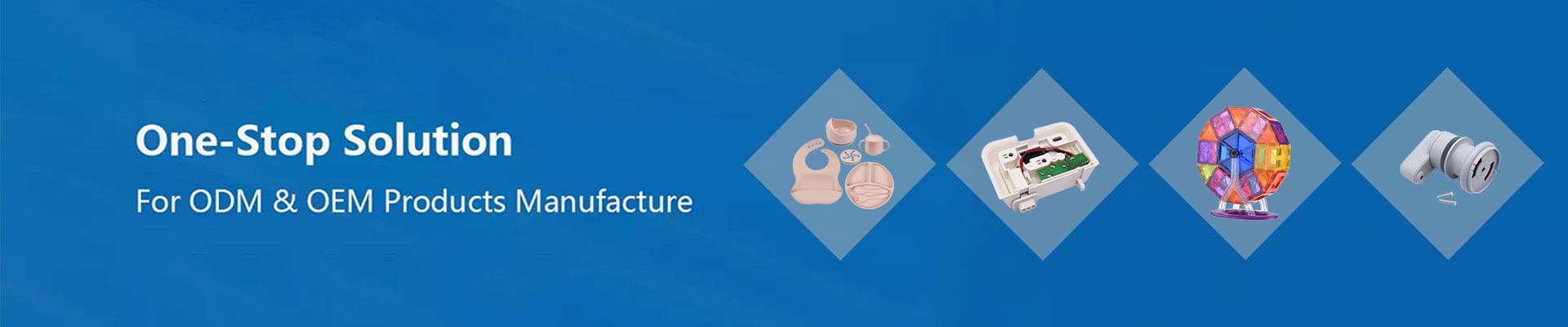
You’ve finalized your CAD design. You need 500 to 5,000 units to test the market.
But when you request quotes, you hit a wall: traditional manufacturers demand massive volume or charge a fortune for production tooling.
It’s the classic “Manufacturing Gap.”
Here is the truth: You don’t need a high-cavity steel mold to get to market.
In this guide, I’m going to show you exactly how Low MOQ Custom Plastic Parts Injection Molding works. We will break down the economics of bridge tooling, compare it against 3D Printing, and show you how to secure high-quality parts without the high-volume commitment.
Let’s get your production started.
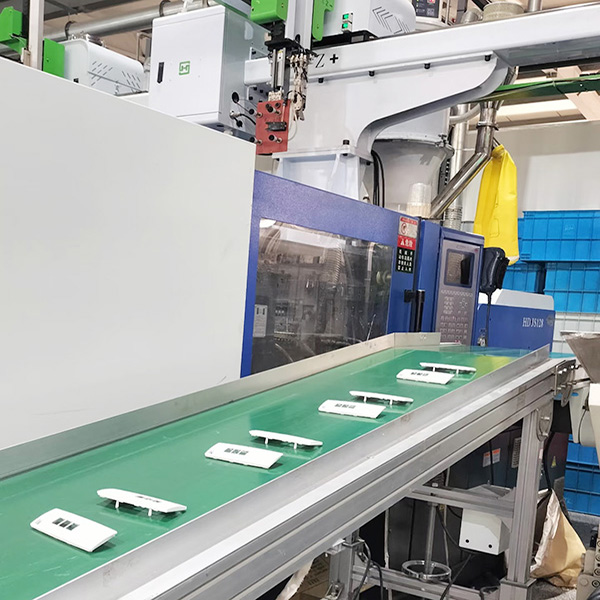
Let’s clear up the definitions immediately. Low-volume injection molding, often referred to as short-run plastic production, is not simply about running a standard machine for fewer hours. It is a specialized manufacturing strategy designed to bridge the gap between prototyping and mass production.
The Production Sweet Spot:
Volume Range: Typically 100 to 10,000 units.
The Economics: At these quantities, 3D printing becomes prohibitively expensive per unit, while traditional hardened steel tooling requires an upfront investment that doesn’t amortize well. Low MOQ molding offers the perfect balance of cost and quality.
Technology Differences:
Unlike high-volume facilities that rely on fully automated robotics and expensive multi-cavity steel molds, we optimize for speed and flexibility. We often utilize manual insert loading and modular mold bases. This reduces setup times and tooling costs significantly, allowing us to produce production-quality parts without the six-figure capital expenditure required for mass manufacturing.
Primary Use Cases:
Market Testing: Deploying real, functional products to beta testers to validate design and market fit before committing to full-scale launch.
Bridge Production: Manufacturing “bridge” parts to meet immediate demand while waiting for long-lead-time production molds to be finalized overseas.
Niche Devices: Supporting specialized industries like medical devices or high-end electronics where the total global demand may never exceed a few thousand units.
The biggest barrier to entry for manufacturing has always been the initial price tag of the mold. In traditional mass production, you are paying for hardened steel tools guaranteed to run a million cycles, which is overkill for a pilot run. When we approach Low MOQ Custom Plastic Parts Injection Molding, we flip the script on cost structures to make small batches financially viable.
To slash costs and lead times, we move away from expensive hardened tool steels. We match the mold material to your actual volume requirements.
Aluminum Mold Tooling (7075): This is the go-to for rapid injection molding. Aircraft-grade aluminum cuts significantly faster than steel, meaning we can get the tool on the machine in days, not weeks. It offers excellent heat dissipation, which can actually speed up cycle times. It is perfect for volumes ranging from 100 to a few thousand parts.
Soft Steel Tooling (P20): If you need a bridge between prototyping and full production, P20 is the standard. It is a pre-hardened steel that is more durable than aluminum—capable of running 50,000+ shots—but is still much easier and cheaper to machine than production-grade Class A steel.
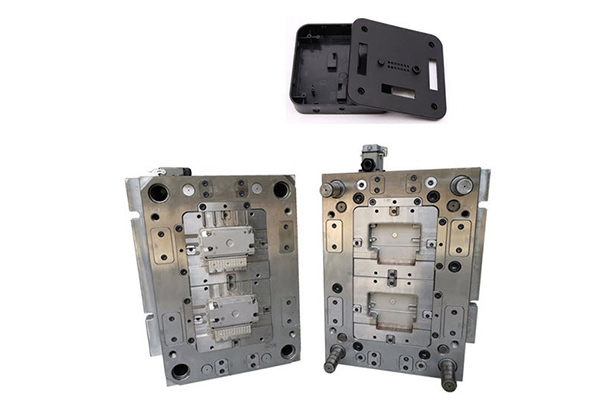
Smart mold architecture is where the real savings happen. We often utilize a Master Unit Die (MUD) system. Instead of buying an entire custom mold base (the heavy metal frame that holds the mold together) for every project, you only pay for the core and cavity inserts. These inserts slide into a universal frame that we already own and maintain.
For short-run plastic production, we also stick to single-cavity molds. While multi-cavity molds reduce part price in the long run, they drastically increase upfront tooling costs. A single-cavity insert in a MUD frame is the most cost-effective setup for getting your first few thousand units out the door.
Many buyers get stuck comparing the unit price of 3D printing against the unit price of molding, ignoring the tooling cost. However, the math changes quickly as volume increases.
3D Printing: Zero tooling cost, but high price per part ($20–$50+).
Injection Molding: Higher setup cost ($2,000–$5,000), but low price per part ($1–$5).
Using an injection molding cost estimator, you will typically find the breakeven point sits between 100 and 300 units. Once you cross that threshold, amortizing the cost of an aluminum tool over the batch becomes cheaper than paying the premium for 3D printed parts, with the added benefit of getting real, engineering-grade material properties.
When you are sitting on a project that needs 100 to 5,000 units, you are often stuck in the “valley of death” between prototyping and mass production. Choosing the right manufacturing process here is critical for your budget and product performance. While we specialize in Low MOQ Custom Plastic Parts Injection Molding, it is important to understand how it stacks up against the usual suspects: 3D printing and CNC machining.
3D printing (additive manufacturing) is fantastic for the first 10 prototypes, but it struggles as soon as you need functional, end-use parts. The biggest issue is isotropic strength. Because printers build parts layer by layer, the vertical (Z-axis) bonds are always weaker than the horizontal bonds. Under stress, printed parts often delaminate or snap.
In contrast, prototype injection molding melts the resin into a single, solid unit. The material properties are uniform in every direction. If you are testing for drop resistance or structural integrity, molding is the only way to get accurate data.
Then there is the surface finish. 3D printed parts have visible layer lines that require labor-intensive sanding or painting to look professional. With injection molding, the part comes out of the tool with the specific texture or polish you designed, ready for the customer immediately.
CNC machining is a subtractive process—it cuts away material. It is excellent for tight tolerances and heavy-duty engineering plastics, but it hits a wall regarding scalability. Machining 500 parts takes roughly 500 times as long as machining one. There is very little economy of scale. With short-run plastic production, once we cut the mold, the cycle time per part is measured in seconds, not minutes or hours.
Internal geometry is another major differentiator. CNC tools cannot reach around corners. If your design has complex internal channels, snap fits, or undercuts, machining becomes incredibly expensive or impossible without splitting the part into multiple pieces. Injection molding handles these complex features easily using side actions and cores, allowing you to maintain a single-piece design.
Here is a breakdown of how on-demand manufacturing methods compare for low-volume needs:
| Feature | 3D Printing | CNC Machining | Low MOQ Injection Molding |
|---|---|---|---|
| Best Quantity | 1 – 50 units | 1 – 100 units | 100 – 10,000+ units |
| Material Strength | Weak (Anisotropic) | Strong (Isotropic) | Strong (Isotropic) |
| Surface Finish | Rough (Layer lines) | Machined marks | Smooth / Textured (Retail Ready) |
| Geometry Freedom | High | Low (Line of sight only) | High (With proper DFM) |
| Cost Per Unit | High (Constant) | High (Constant) | Low (Decreases with volume) |
If you need functional parts that look and behave exactly like the final product, Low MOQ Custom Plastic Parts Injection Molding bridges the gap where other methods fall short.
One of the massive advantages of low MOQ custom plastic parts injection molding over other prototyping methods is material authenticity. You aren’t stuck with “look-alike” simulants; you get the real deal. When we handle short-run plastic production, we use the exact same resins intended for mass manufacturing. This ensures your data from mechanical and environmental testing is actually valid.
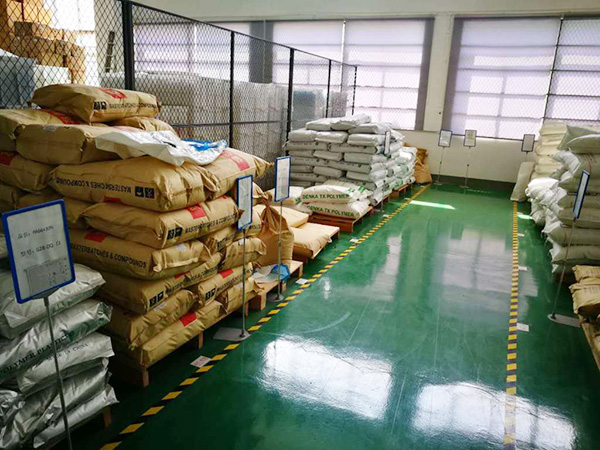
In prototype injection molding, access to a wide range of engineering grade thermoplastics is standard. Whether you need high heat resistance, chemical stability, or specific dielectric properties, the material availability is virtually identical to high-volume production. This allows you to validate the supply chain and part performance simultaneously.
We frequently work with these standard resins for pilot run manufacturing because they offer a balance of cost, availability, and performance:
ABS: The industry standard for enclosures and housings. It offers excellent impact resistance and is easy to finish.
Polycarbonate (PC): Chosen for parts requiring optical clarity or superior impact strength compared to ABS.
Nylon (PA6/PA66): The go-to for mechanical components like gears and clips due to its low friction and high wear resistance.
TPE/TPU: Essential for flexible parts, seals, gaskets, or soft-touch OverMolding applications.
Getting specific brand colors in low volumes requires a strategic approach to costs.
Masterbatches (Salt and Pepper): This is the preferred method for low MOQ projects. We mix natural resin pellets with a concentrated colorant right at the machine. It avoids the high minimum order quantities (MOQs) imposed by material suppliers for custom colors.
Pre-compounded Resin: Here, the resin is colored by the supplier before it reaches us. While this offers the highest color consistency, the minimum purchase requirements usually make it cost-prohibitive for runs under 5,000 units. For most bridge tooling projects, masterbatches provide the necessary aesthetic quality without blowing the budget.
When handling Low MOQ Custom Plastic Parts Injection Molding, the design stage is exactly where you win or lose on cost. You cannot simply send over a complex file and expect a low price tag. We have to simplify the geometry to fit the budget. The goal is to create an “open and shut” mold that doesn’t require expensive mechanics.
We always perform a DFM analysis for molding to strip away unnecessary complexity.
Uniform Walls: Keep wall thickness consistent throughout the part. Thick sections cool slower than thin ones, leading to sink marks and warping. Uniform walls ensure the cycle time is fast and the part comes out straight.
Eliminate Undercuts: Features that prevent the mold from opening directly usually require side actions (sliders or lifters). These add significant cost to the tooling. For low-volume projects, we often redesign the part to avoid them or use hand-loaded inserts if absolutely necessary.
Getting the part out of the mold shouldn’t be a fight.
Draft Angles: Vertical walls need a slight taper. Proper draft angle optimization (usually 1 to 2 degrees) prevents the part from dragging against the mold surface during ejection. It reduces cosmetic defects and sticking.
Surface Finish: Don’t pay for a mirror polish if you don’t need it. A high-gloss finish requires hours of manual labor. For most functional parts or pilot runs, a standard SPI-C1 (stone finish) removes machining marks and looks professional without the premium price tag.
Finding the right supplier for Low MOQ Custom Plastic Parts Injection Molding isn’t just about finding the lowest piece price. It is about finding a manufacturing partner who understands the specific agility required for short runs. When I evaluate potential suppliers for a project, I look past the marketing fluff and focus on their operational reality. Here is the checklist I use to ensure a smooth production process.
The biggest red flag in rapid injection molding is a supplier who accepts a CAD file and sends a quote without any feedback. A true partner provides a detailed DFM analysis for molding before a single piece of steel is cut. They should be spotting issues like thick wall sections that cause sink marks or insufficient draft angles that will stick in the mold.
Engineering Review: Does the supplier offer design improvements to lower tooling costs?
Cost Breakdown: The quote should clearly separate the NRE (Non-Recurring Engineering) costs, tooling fees, and unit prices.
Communication: They must be willing to explain why a design change is needed, rather than just saying “it can’t be done.”
In the world of on-demand manufacturing, asset ownership is often a gray area that bites buyers later. Some shops offer “free” or heavily discounted tooling, but the catch is that they own the mold. If their quality drops or prices rise, you are stuck.
I always insist on clear terms regarding mold ownership. Even for bridge tooling services, if I pay for the mold, I need to know that I own it and can move it to another facility if necessary. Additionally, logistics capabilities matter. A partner serving global customers needs to understand international shipping standards and Incoterms to ensure your pilot run manufacturing batch doesn’t get stuck in customs.
Just because you are ordering 500 parts instead of 500,000 doesn’t mean you should accept “prototype quality.” The parts need to function in the real world. I prioritize working with ISO 9001 certified molding facilities because it proves they have a standardized process for consistency.
Before authorizing the full production run, always demand a First Article Inspection (FAI). This is a formal report verifying that the first parts coming off the press meet your dimensional tolerances.
Visual Standards: Agree on surface finish requirements (like SPI standards) upfront.
Dimensional Reports: Ensure critical dimensions are measured and documented.
Material Certification: Verify they are using the specified engineering grade thermoplastics and not a generic substitute.
At UbetterPlastic, we don’t treat short runs as a nuisance; we view them as our specialty. We have optimized our entire shop floor specifically for Low MOQ Custom Plastic Parts Injection Molding, ensuring you don’t get stuck with the high costs and slow lead times typical of mass production facilities. We bridge the gap between 3D printing and high-volume manufacturing.
We match the mold material to your specific lifecycle needs. We never force you into expensive hardened steel if your project doesn’t demand it.
Aluminum Mold Tooling (7075): This is our go-to for prototype injection molding and volumes under 1,000 units. Aluminum machines faster and cools quicker, which significantly lowers your upfront tooling investment.
Soft Steel Tooling (P20): Ideal for bridge tooling services where you might need up to 50,000 shots. It offers a balance of durability and cost-efficiency, perfect for pilot runs before committing to Class A production molds.
In the world of rapid injection molding, speed is currency. Our digital workflow accelerates the process from the moment you upload a file. We provide immediate DFM analysis for molding to catch issues early. Once the design is locked, our high-speed CNC machines cut the tool, and we aim to ship T1 samples within 10-15 days.
We operate on a strict on-demand manufacturing model. If you need 50 parts, we make 50 parts.
Case Example: A recent client needed 300 custom enclosures for a new IoT device pilot. They required engineering grade thermoplastics (ABS) with a specific texture. Using our Master Unit Die (MUD) system, we produced the mold inserts at a fraction of the cost of a standalone tool. The client received their ISO 9001 certified molding parts in under two weeks, allowing them to hit their launch deadline without overcommitting to inventory.
https://www.protolabs.com/services/injection-molding/low-volume-injection-molding/
https://www.hubs.com/knowledge-base/3d-printing-vs-injection-molding/
https://www.protolabs.com/resources/blog/3d-printing-vs-cnc-machining-vs-injection-molding/
Contact: Roy Hwang
Phone:
E-mail: info@ubetterplastic.com
Whatsapp:
Add: No.78, Shipoqiao Middle Road, Yuyao City, Zhejiang Provice, China
We chat
