Discover how to choose the best Baby Nasal Aspirator in 2026 with tips on safe, BPA-free, electric and manual options for newborns and toddlers
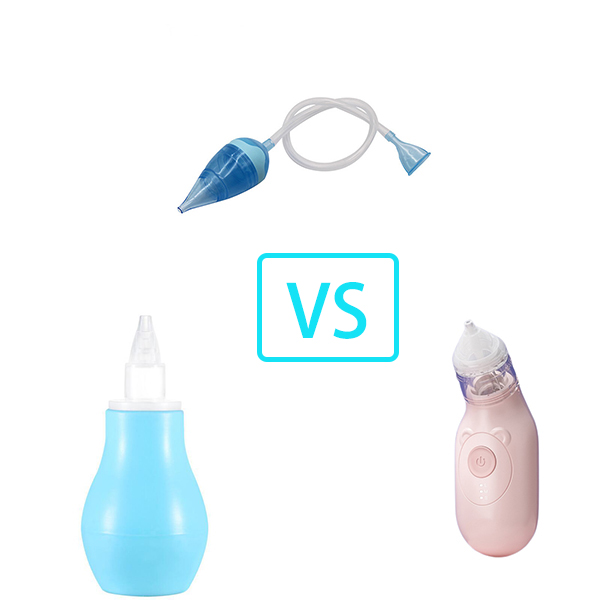
When choosing a baby nasal aspirator, it’s helpful to know the main types available. Each has pros and cons depending on your baby’s age, comfort, and your cleaning preferences.
| Type | How It Works | Pros | Cons |
|---|---|---|---|
| Traditional Bulb Syringe | Squeeze bulb, insert tip, release | Simple, inexpensive, no batteries | Limited suction power, hard to clean thoroughly |
| Tube-Style Manual Aspirators (e.g., NoseFrida) | Parent sucks through tube, filter protects air | Stronger suction, hygienic filter, reusable | Requires effort/sampling from parent, possible hesitation |
| Battery-Powered/Electric Aspirators | Motorized suction controls mucus | Adjustable suction, less effort | Usually pricier, needs batteries or charging |
| USB-Rechargeable & Hospital-Grade Models | Advanced electric with charging options | Strong, silent suction, often with extra features | More expensive, may be overkill for casual use |
Choosing between manual and electric aspirators depends on your baby’s sensitivity, your time, and how often you plan to use it. For newborns, gentler devices like bulb syringes or softer manual types work well; for older babies and frequent use, electric and hospital-grade aspirators offer power and convenience.
This guide will help you pick the best baby nasal aspirator 2026 that fits your family’s needs safely and efficiently.
Choosing the best baby nasal aspirator means checking for these must-have features. Here’s a quick guide to help you pick one that’s safe, effective, and easy to use:
| Feature | What to Look For | Why It Matters |
|---|---|---|
| Suction Strength | Adjustable levels preferred over fixed suction | Gentle control prevents discomfort or injury |
| Tips/Materials | Soft silicone tips are better than hard plastic | More comfortable and safer for baby’s nose |
| Cleaning & Sterilization | Dishwasher-safe or boilable parts | Easy to keep hygienic, less germ risk |
| Safe Materials | BPA-free, latex-free, phthalate-free | Non-toxic for sensitive baby skin |
| Noise Level | Quiet or silent operation | Keeps sleeping babies calm |
| Battery Life & Charging | USB-rechargeable models preferred | Convenient and eco-friendly |
| Extra Functions | Optional music, light, anti-backflow designs | Helps soothe baby and prevents contamination |
| Portability & Storage | Comes with a compact case | Easy to carry and keeps parts clean |
Adjustable suction helps you find the right balance — strong enough to clear mucus but gentle enough not to hurt.
Soft silicone tips feel softer and reduce irritation compared to hard plastic.
Cleaning is crucial: removable, dishwasher-safe or boilable parts keep your aspirator safe and fresh.
Look for aspirators made from medical-grade, BPA-free materials to avoid harmful chemicals.
Noise level is often overlooked but important if you want to use the aspirator when the baby’s napping.
USB charging is practical and greener compared to disposable batteries.
Features like anti-backflow valves stop mucus from traveling back into the device or your mouth.
A portable storage case means you can take the aspirator anywhere easily and keep it hygienic.
Keep these points in mind to pick the best baby nasal aspirator that suits your needs and keeps your little one comfortable.
When choosing a baby nasal aspirator, safety should always be your top priority. Look for products with clear certifications like CE, FDA, or CPC – these show the aspirator meets strict health and safety standards, giving you peace of mind.
Watch out for anti-backflow valves and replaceable filters. These features prevent mucus from flowing back into the aspirator or your mouth, especially important if you’re using a parent-mouth suction model like the NoseFrida.
Pay attention to age recommendations. Some aspirators are specially designed for newborns (0-3 months) with gentler suction, while others target babies older than 6 months and toddlers. Using the wrong type can cause discomfort or even harm.
Finally, be aware of the risk of over-suction. Strong suction may irritate your baby’s delicate nasal passages. Luckily, many modern aspirators come with adjustable suction levels or built-in safety limits to prevent this, keeping the process gentle but effective.
Always follow the manufacturer’s guidelines and don’t push too hard—that’s key to safe and stress-free nasal clearing.
Choosing the right baby nasal aspirator depends a lot on your baby’s age because their needs and comfort levels change quickly.
For newborns, gentle suction is key. I recommend a soft silicone tip aspirator with low or adjustable suction strength. Traditional bulb syringes are still popular here because they’re simple and effective when used carefully. Battery-powered aspirators with silent motors can also work if they have gentle suction and are BPA-free and latex-free. Avoid anything too strong or invasive to protect your baby’s delicate nasal passages.
At this stage, babies can tolerate slightly stronger suction. Tube-style manual aspirators like the NoseFrida are a favorite because they give parents control over the suction strength and don’t cause discomfort. Electric nasal aspirators with adjustable suction and easy cleaning features are great too, especially if your baby resists manual suction. Look for models with replaceable filters and anti-backflow valves for hygiene.
Toddlers usually handle electric nasal aspirators better since they work quickly and quietly, which helps when your child is restless or easily scared. USB-rechargeable or hospital-grade models with multiple suction levels and soft tips are ideal here. Portability and a storage case become handy since toddlers may need nasal cleaning on the go. Some models even come with soothing features like soft music or gentle lights to make the experience less stressful.
In short, start soft and simple for newborns, move to more controlled manual options for babies 3–12 months, and bring in electric aspirators with extra features for active toddlers. This approach keeps your baby comfortable and clear of nasal congestion as they grow.
Choosing between an electric and manual baby nasal aspirator depends on what matters most to you and your baby. Here’s a quick comparison to help you decide:
| Feature | Electric Aspirator | Manual Aspirator |
|---|---|---|
| Speed | Fast suction, usually adjustable | Slower, controlled by you |
| Effort | Minimal effort, just press a button | Requires manual sucking or squeezing |
| Effectiveness | Consistent suction, good for heavy congestion | Effective but may need multiple tries |
| Hygiene | Often has filters, less contact with mucus | Direct mouth contact (e.g., NoseFrida) or simple bulb syringe, needs thorough cleaning |
| Price | More expensive upfront | Usually affordable and budget-friendly |
| Noise | Can be noisy (some silent models exist) | Silent, ideal for sleeping babies |
Electric aspirators are great if you want quick, hands-free use with consistent suction and don’t mind a bit of noise.
Manual aspirators are perfect for those who prefer low cost, silent operation, and don’t mind the extra work.
Both types can be BPA-free and made with safe materials. Consider whether portability, noise level, or suction strength fits your baby’s needs best before buying the best baby nasal aspirator 2026.
Using and cleaning your baby nasal aspirator the right way is key to keeping your little one safe and comfortable. Here’s a simple guide for different types, plus cleaning tips and how often to replace parts.
1. Traditional Bulb Syringe:
Squeeze the bulb to push air out.
Gently place the tip at one nostril.
Slowly release the bulb to suck out mucus.
Remove and squeeze the mucus onto a tissue.
Repeat on the other nostril if needed.
2. Tube-Style Manual Aspirators (e.g., NoseFrida):
Place the soft tip at the nostril.
The parent uses mouth suction through the tube.
Mucus gets trapped in a filter, ensuring hygiene.
Clean after each use.
3. Electric/Battery-Powered Aspirators:
Turn on the device and select suction strength if adjustable.
Place the soft silicone tip gently in the nostril.
The device automatically sucks out mucus.
Turn off and clean after use.
Clean after every use with warm soapy water.
Detach all removable parts (tips, filters, tubes).
Rinse thoroughly and air dry on a clean towel.
For bulb syringes, squirt soapy water inside, shake, and rinse well.
For electric models, follow specific manufacturer instructions; most have dishwasher-safe parts or can be wiped down.
Sterilize tips regularly by boiling (if the material allows) or using a sterilizer.
Avoid harsh chemicals to protect medical-grade, BPA-free materials.
Replace tips every 1-2 months or sooner if visibly worn.
Change filters after each use (especially for tube-style aspirators) to keep it hygienic.
For electric models with reusable tips, check manufacturer advice but typically replace every few months.
Always have spare parts on hand, so you’re never caught off guard.
Use a saline spray or drops before suction to soften mucus.
Wait 1-2 minutes after applying saline for better clearing.
Do not overuse saline; follow pediatric guidelines (2-3 times a day max).
Saline helps reduce fussiness and improves suction effectiveness.
Using your baby nasal aspirator properly and keeping it clean ensures it works well, stays safe, and keeps your baby comfortable.
Many parents wonder if using a baby nasal aspirator is scary for their little one. The truth is, most babies don’t like the sensation at first—it can feel strange or uncomfortable—but it’s not painful. You can often calm your baby by talking softly or distracting them with a favourite toy during use.
Does a baby nasal aspirator actually work? Yes, when used correctly, these devices can clear out mucus effectively, helping your baby breathe, feed, and sleep better. Parents report noticeable relief after just a few uses, especially with models that have good suction control and soft tips.
What if your baby hates it? That’s pretty common. Here’s what you can try:
Use saline spray before suction to loosen mucus.
Keep sessions short and gentle.
Let your baby get used to the aspirator’s sound and feel over a few days.
Choose quieter, electric models if noise seems to upset them.
Try manual options with soft silicone tips for a gentler touch.
Remember, consistent use and picking the right type for your child’s age and preferences make all the difference. Reading baby nasal aspirator reviews online can also help you see what’s worked well for other parents.
Overall, with patience and practice, most babies adapt quickly, and parents feel confident that their baby’s nose is clear and comfortable.
Here’s a quick, neutral list of some of the best baby nasal aspirators you can find in 2026. These choices balance quality, ease of use, and reliability, making them popular picks for parents worldwide:
Manual, parent-controlled suction with replaceable filters. Great for newborns and toddlers. Simple, hygienic, and trusted by many.
Battery-powered, gentle suction with soft silicone tips. Easy to clean and quiet — good for light sleepers.
Electric model with adjustable suction levels and replaceable tips. Designed for quick, effective suction without discomfort.
USB-rechargeable and hospital-grade suction power. Durable, with an anti-backflow valve and soft silicone tip.
Known for high quality and OEM reliability, UbetterPlastic models combine safe, BPA-free medical-grade materials with smart design features like adjustable suction and easy-to-sterilize parts. Their products are well-regarded globally for durability and consistent performance, making them a dependable choice for parents seeking long-lasting nasal cleaners without compromise.
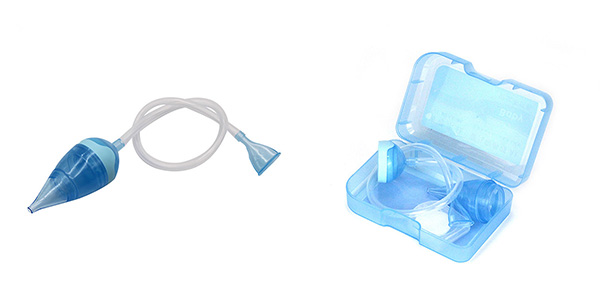
Each model fits different needs — from manual to electric, portable to hospital-grade — so pick what works best for your baby’s age, comfort, and your cleaning preferences.
Here’s a quick, easy checklist to help you pick the best baby nasal aspirator for your little one. Save or print this as your go-to guide!
Choose between bulb syringe, manual tube-style (like NoseFrida), or electric. Consider what fits your comfort and baby’s needs.
Look for adjustable suction if you want more control, especially for sensitive newborns.
Soft silicone tips are gentle on noses. Avoid hard plastic tips to prevent irritation.
Check if parts are dishwasher-safe or boilable for proper hygiene.
Ensure it has CE, FDA, or CPC approval and anti-backflow filters or valves.
Confirm if it’s safe for your baby’s age—some work better for newborns, others for toddlers.
If your baby sleeps during use, choose a quiet or silent electric nasal aspirator.
Battery life and charging method (USB-rechargeable or replaceable batteries) matter for convenience.
Extras like built-in music, lights, or storage cases add value and ease of use.
A compact design with a storage case helps when on the go.
Keep this checklist handy when comparing models, including popular options like the best baby nasal aspirator 2026 picks. It’ll make your choice clear and safe—no surprises.
Contact: Roy Hwang
Phone:
E-mail: info@ubetterplastic.com
Whatsapp:
Add: No.78, Shipoqiao Middle Road, Yuyao City, Zhejiang Provice, China
We chat
